

What Idle Vehicles Cost Your Rental Business in 2026
Charles
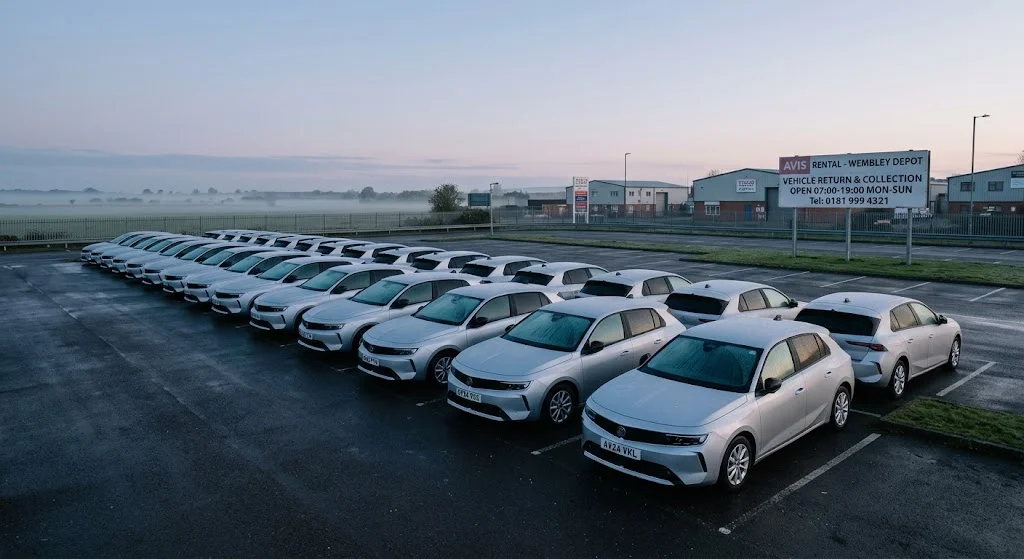
Twenty vehicles. Ninety idle days each. Fifty-five pounds a day. That is close to 100,000 pounds a year in revenue your fleet is physically capable of earning but is not. No new vehicles needed. The money is already parked in your lot.
Utilisation is the number that runs your business
Fleet utilisation is the share of available vehicle-days that are actually earning. If you have 100 cars and 80 are out on hire, you are running at 80%.
Industry data puts healthy rental utilisation at around 70 to 85%. The uncomfortable part is that plenty of operators run at 50 to 65% without realising it, because idle days are quiet. They do not generate a complaint or an invoice. They simply fail to appear as income, so they never demand your attention the way a cost does.
Every percentage point below the healthy band is direct lost revenue on assets you have already paid for. And because rental margins are thin, typically in the 7 to 18% range, utilisation is not a vanity metric. It is very often the difference between a good year and a break-even one.
What idle vehicles really cost
The maths is uncomfortable once you see it laid out plainly.
Take your fleet size, your average daily rate and the number of idle days each vehicle racks up over a year. Multiply them together and you have your annual lost revenue. With UK daily rates commonly sitting somewhere around 40 to 55 pounds, the figure climbs fast.
The costs that run regardless
Finance and depreciation do not pause when a car sits still. The asset ages, its value falls and the monthly cost lands whether it earned anything or not. Insurance runs on. So does the cost of the space it occupies. An idle vehicle is quietly burning all of that with nothing coming in to offset it.
The idle time you are not even counting
Idle is not just a car with no booking. A vehicle waiting on cleaning, damage checks, a service or a key handover is idle even when it is technically between confirmed rentals. This turnaround dead time is where a surprising amount of utilisation leaks, and most operators never measure it because it hides inside the booking calendar.
The demand you cannot serve because you cannot see
If you do not know exactly where every vehicle is and what state it is in, you cannot move cars to where the demand is, and you cannot confidently promise a vehicle to a customer who wants one now. Cars go dormant in one location while you turn away business in another.
A worked example
Picture a fleet of twenty vehicles, each averaging 90 idle days a year, at a 55 pound daily rate.
That is twenty vehicles times ninety days times fifty-five pounds, which comes to 99,000 pounds of revenue that never happened.
Now suppose you recover just 20% of those idle days through faster turnaround and better visibility. That is nearly 20,000 pounds of additional revenue a year, dropping onto largely fixed costs, from the fleet you already own. On rental margins, that is a meaningful swing straight to the bottom line.
How to recover the days
You will never hit 100%, and chasing it is a mistake. But recovering even a slice of your idle days flows almost entirely to profit. Three levers do most of the work.
Faster turnaround
The quicker a returned vehicle is cleaned, checked and made bookable again, the less dead time between rentals. Shaving hours off turnaround across a busy fleet can be worth as much as adding vehicles, at a fraction of the cost. The first step is measuring turnaround honestly, because most operators assume it is faster than it is.
Keyless handover and remote access
Remote access lets customers collect and return vehicles without waiting on a staff member to be present. That cuts idle hours during the day and, crucially, opens up out-of-hours and self-service rentals you would otherwise lose entirely. For operators serving airports, late arrivals or the peer-to-peer market, this alone can lift utilisation noticeably.
Live visibility and rebalancing
Tracking every vehicle and its status means you can see dormant cars, move them to where demand is, and stop assets going quietly unused in the wrong location. It also underpins everything else, because you cannot manage turnaround or utilisation you cannot see.
A note for Turo and peer-to-peer hosts
If you run vehicles on Turo or similar platforms, idle days hit even harder because you are competing on availability and response. Remote access and live visibility let you offer smooth, unattended handovers and keep more of your fleet earning across more hours, which is exactly what lifts you up the rankings and keeps cars booked.
Frequently asked questions
What utilisation rate should I aim for? The healthy band is roughly 70 to 85%. Use your own history as the baseline and focus on the trend rather than a single target, since the right number varies by vehicle class and season.
Is low utilisation always a pricing problem? Not always. It is often turnaround and visibility rather than price. Cutting rates on a fleet you cannot see clearly just earns less on the same idle assets.
How quickly can I improve it? Turnaround and rebalancing changes can move the number within weeks, because they act on demand you are already turning away.
Summary
Idle vehicles are the quietest cost in a rental business and one of the largest. Treat every idle day like an empty hotel room, measure your true utilisation including turnaround, then use faster turnaround, keyless handover and live visibility to win those days back. The revenue is already in your fleet. You just need to stop leaving it parked.
Cost your own idle days with our Rental Downtime Calculator. It is built for car rental and Turo operators. See our keyless and remote access tools, or book a demo.