
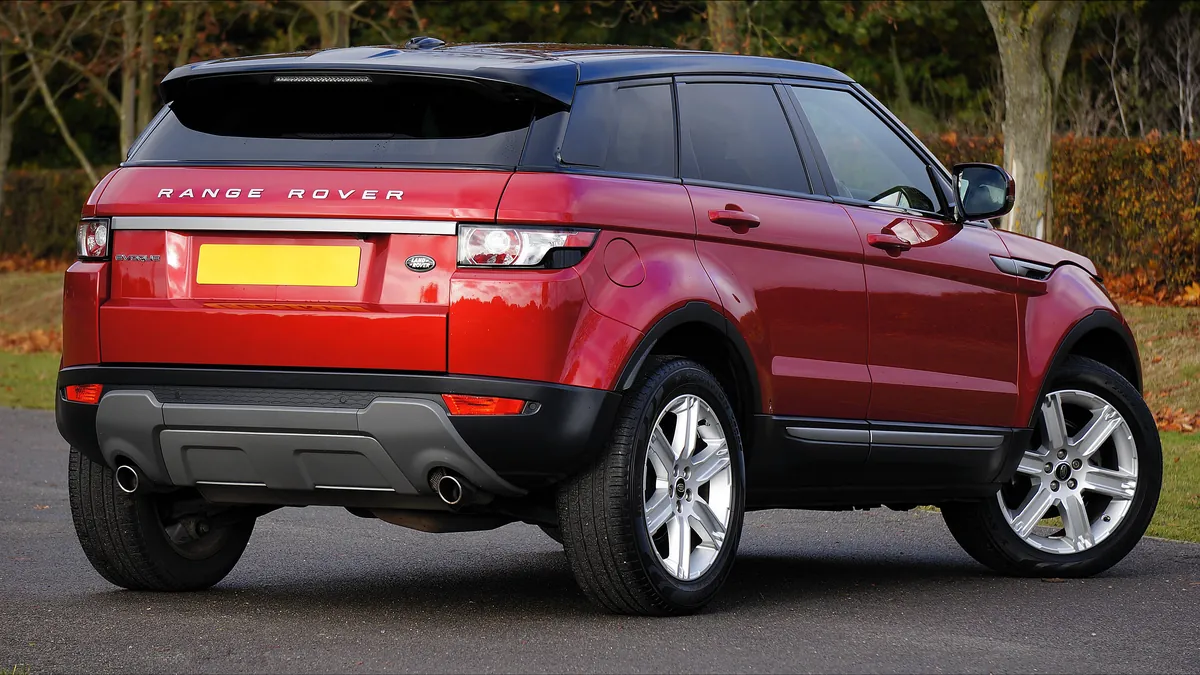
Range Rover Fleet Security: Protecting High-Value Land Rovers on Rental, Chauffeur and Dealer Fleets
Sheriff Subair
If you run prestige rental, executive chauffeur cars or a dealership with Land Rover stock, you already know the problem. Range Rovers are some of the most wanted cars in the country, by customers and by thieves. Land Rover models have featured in the UK’s most-stolen lists for several years running, and in 2023 some London owners found insurers either refusing to cover them or quoting premiums that made them barely worth running.
For a fleet, that’s a double hit. A stolen Range Rover is an expensive loss on its own, and a fleet that keeps losing them gets harder and pricier to insure. Here’s what the risk actually looks like now and how operators protect them.
Why Range Rovers are targeted
There are two reasons, and they work together.
They’re valuable whole and in pieces. A Range Rover is worth a lot as a car, and its parts are worth a lot to the repair market. Organised gangs steal them to sell abroad, to break for parts, or to rebody other vehicles. That’s why they’re a target even when they’re a few years old.
Older models are easier to steal. Many keyless Land Rovers built before recent security upgrades are open to relay attacks and other electronic theft methods, where thieves unlock and start the car without the real key. Our guide to relay attack car theft explains how that works on fleets.
The newest models are much better protected
It’s not all bad news. After JLR invested heavily in vehicle security, it reported in 2023 that only nine of the 12,200 new Range Rovers on the road since January 2022 had been stolen, around 0.07%. JLR has also offered security updates for some earlier models through its retailers.
So the age and spec of your Land Rovers matters a lot. A fleet of current Range Rovers is in a very different position to a fleet of pre-2022 Evoques, Velars and Range Rover Sports. If you run older models, ask a JLR retailer what updates are available for your vehicles before you do anything else.
Insurance is part of the problem
When thefts peaked, some insurers stopped writing cover for Range Rovers in high-risk London postcodes, and others raised premiums sharply. JLR responded by relaunching its own insurance product for customers of new and approved used vehicles.
For a fleet operator, the practical upshot is that insurers look hard at high-value Land Rovers. Being able to show an approved tracker, an immobiliser and a clear key and parking policy won’t guarantee a better quote, but it puts you in a stronger position at renewal and if you ever have to claim. Check with your broker what your insurer actually requires.
How fleets protect high-value Land Rovers
An immobiliser, especially on older models
A ghost immobiliser stops the car being started without a PIN entered on its own buttons, so a thief who has fooled the key system still can’t drive away. It’s the single biggest step up for pre-2022 models. On chauffeur and rental cars with several drivers, a relay immobiliser with driver tags does the same job and records who had which car. Our comparison of ghost and relay immobilisers covers which suits your setup.
Tracking that’s hard to find
Thieves stealing Range Rovers to order expect a tracker and will look for it. A plug-in OBD unit won’t last long. Use a hidden hardwired tracker, consider a second battery-powered unit somewhere else, and make sure you get alerts if either loses power or signal. For newer, connected models, digital tracking can add another layer without fitting anything. Our guide on whether a GPS tracker can be blocked covers how to stay visible if a thief tries.
Alerts for the moments that matter
Most Range Rover thefts happen overnight. Set up geofences around where vehicles are kept and alerts for movement out of hours, so a car leaving a chauffeur’s driveway at 3am gets flagged while it’s happening. Tow or tilt alerts matter too, because a car that can’t be started can still be loaded onto a trailer.
Key and parking habits
- Keep fobs in a signal-blocking box, well away from the front door
- Check the car has actually locked at the end of every job
- Park in a garage or a well-lit, overlooked spot, and block the car in where you can
- Don’t leave spare keys in the vehicle or anywhere obvious at the depot
Dealers and funders with Land Rover stock
For dealerships, high-value Land Rovers on the forecourt overnight are a prime target, and demonstrators that go home with staff or customers add another risk. Our post on tracking courtesy cars, demonstrators and test drives covers that side.
For funders, a forecourt of funded Range Rovers is a lot of collateral in one place. Knowing that each unit is still where it should be between audits matters more on stock worth this much. We cover that in vehicle VIN tracking for funders.
Frequently asked questions
Why are Range Rovers stolen so often? They’re valuable as whole cars and as parts, which makes them attractive to organised gangs. Older keyless models are also more exposed to relay attacks and electronic theft than the latest ones.
Are new Range Rovers still being stolen? Far less. JLR reported in 2023 that only nine of 12,200 new Range Rovers on the road since January 2022 had been stolen. Older models remain the main target.
Do I need a tracker to insure a Range Rover? Some insurers ask for an approved tracker on high-value vehicles, especially in high-risk areas. Check with your broker what your insurer requires before you buy cover.
Does a ghost immobiliser work on a Range Rover? Ghost-style immobilisers are widely fitted to Land Rovers, but compatibility depends on the model and year. Use a TASSA-registered installer and confirm it suits your vehicles first.
What’s the best way to protect a Range Rover fleet? Layers. An immobiliser to stop it being started, a hidden hardwired tracker with a backup, out-of-hours and tow alerts, and good key and parking habits. On older models, ask JLR about available security updates too.
Running high-value Land Rovers and want to check your cover? Talk to Traknova.