
Fleet Monitoring Software: What UK Operators Actually Use
Sheriff Subair
Fleet monitoring software vs fleet management software: what’s the difference?
Search “fleet management software” and every result looks the same: GPS tracking bundled with maintenance schedules, DVSA compliance modules and licence-check tools, sold as one package. If you run a taxi firm, a PCO fleet, a rental business or a dealership forecourt, most of that package is dead weight. You are not chasing an Operator Licence or tachograph compliance. What you actually want is to know where your vehicles are, whether they have been used without authorisation, and to have evidence when something goes wrong. That is fleet monitoring software, a narrower category than fleet management software, even though buyer’s guides commonly bundle the two together without drawing any line between them. This article draws that line: what fleet monitoring actually does, what operators need day to day, when a full platform earns its place, and what taxi, rental and dealership operators already use.
What fleet monitoring software actually does
Strip fleet monitoring software down to what it does and the list is short: real-time vehicle location, driver behaviour signals such as harsh braking or excess idling, fuel and usage data, and an audit trail for when a dispute lands on your desk. Maintenance planning, compliance reporting and driver scheduling sit in a different, bigger category. The gap between what is available and what gets used shows up in the data: one telematics provider’s own research found that only 27% of UK fleet organisations interact with their telematics platform to its full potential, meaning the rest already get most of their value from core monitoring, not the wider management suite. UK fleet telematics supports more than 300 businesses, so picking the wrong category here is not a small decision.
What most operators actually need day to day
Ask a small or mid-size UK fleet operator what frustrates them day to day and the answer is rarely a wish for better maintenance forecasting. It is not knowing where a vehicle is right now, or whether a job has genuinely been finished. For a taxi firm that means a car off its patch with no explanation. For a rental business it means a vehicle overdue with no way to check where it is. For a dealership it means stock that left for a test drive and has gone quiet. The fix is the same across all three: real-time location and basic usage data, not a dashboard of KPIs and maintenance forecasts, a distinction covered further in our guide to fleet tracking for small businesses.
When you genuinely need a full fleet management platform instead
There is a real answer to when you need more than monitoring, and it has nothing to do with fleet size. DVSA fleet compliance checks are a government-run process tied to operating under an Operator Licence: vehicle inspections, driver hours, tachograph records. If you are not running HGVs or PSVs under that licence, none of it applies to you, which is exactly why full platforms are built the way they are. Their core features, from inspection scheduling to tachograph-linked driver monitoring, exist to serve HGV and PSV operators, not taxi firms, PCO drivers, rental businesses or dealerships. Those platforms typically carry GDPR, ISO 27001 and driver-training obligations as standard, real admin overhead you are right to be wary of, and one this reader does not need to carry.
What taxi, rental and dealership operators use in practice
With that overhead ruled out, here is what operators actually run.
Rental fleets have moved on this fastest. At least one UK rental operator now runs a fully tracked fleet to capture mileage, driving hours and idling time by vehicle, because recovering a car quickly when a customer goes quiet matters more than anything on a maintenance dashboard. Renters are not especially surprised by this: on UK driver forums, rental and courtesy cars flagging speeding or unauthorised use comes up as routine, not a shock. Taxi and PCO operators sit in a similar position, prioritising location and evidence for a passenger dispute over an HGV-style compliance module. Dealerships use monitoring the same way, watching test-drive vehicles and off-site stock rather than a fleet on the road. None of this needs an Operator Licence, but it does need consent and data protection handled properly, since UK vehicle tracking law applies to any commercial fleet handling personal data, not only HGV operators.
How Traknova approaches fleet monitoring
This is what a fleet monitoring system looks like when it is built for taxi, rental and dealership fleets specifically, rather than adapted from an HGV compliance platform.
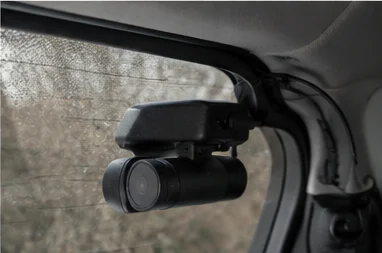
Most vehicles built from 2016 onwards already generate and transmit their own usage and health data, so a genuine monitoring layer does not always need new hardware fitted to work. That is the infrastructure Traknova’s digital tracking sits on: reading data the vehicle already produces rather than asking every operator to retrofit a black box for basic visibility. It is worth being honest about the limits of that too. Connected vehicle data on its own can leave real gaps for time-critical situations, which is why tracking on its own is not the whole answer. Traknova pairs digital and physical tracking with 4G dashcams and ghost or relay immobilisers, so location data, footage and theft prevention sit on one system instead of three tools that do not talk to each other, monitoring built around how these fleets actually operate rather than bolted on afterwards.
Frequently asked questions
Is fleet monitoring software the same as fleet management software? No. Monitoring covers real-time location, driver behaviour and usage data. Management adds maintenance scheduling, DVSA compliance and licence checks, built for Operator Licence holders.
Do I need fleet management software or just tracking? If you are not running HGVs or PSVs under an Operator Licence, tracking and monitoring covers what you need: location, unauthorised use, and evidence when something goes wrong.
What fleet software do taxi and PCO operators actually use? Taxi and PCO operators typically prioritise location and evidence over scheduling and compliance tools they will not use, which points them towards dedicated tracking and dashcam systems rather than full management platforms.
Does fleet monitoring software require new hardware? Not always. Vehicles built from 2016 onwards typically have connectivity built in at the factory. A digital tracking layer can connect to that existing infrastructure rather than requiring a new device to be fitted.
Fleet monitoring and fleet management are different products for different operators, and most taxi, PCO, rental and dealership fleets only need the first one.
If your fleet fits that profile, the next step is not comparing enterprise platforms. It is seeing what a monitoring-focused system, built around tracking, dashcams and immobiliser security, looks like for your vehicles. See Traknova’s fleet monitoring platform or book a free consultation.