
Dashcam Insurance Discounts: The Honest Answer for Fleet Operators
Sheriff Subair
Most fleet operators who ask their broker about dashcam insurance discounts hear a vague reference to savings that never quite materialise at renewal. The scepticism is well-founded: no major UK insurer applies an automatic premium reduction the moment you fit a camera.
But the question is wrong. The value of a dashcam to a fleet is not at quote stage. It is at claims stage. Personal injury claims represent just 9% of UK motor claims by volume but account for 51% of total claims cost. The average injury claim settles at around £11,000, compared with £2,700 for a property damage claim. Footage changes which of those outcomes your fleet lands on, and that is what moves the renewal conversation.
This article explains how that mechanism works, what footage does when a claim is filed, and what to bring to your insurer at renewal.
Does fitting a dashcam automatically reduce your insurance premium?
The short answer is no. No major UK insurer applies an automatic premium reduction at quote stage when you fit a dashcam. That position applies to personal car policies, where pricing is algorithmic. Commercial fleet policies are negotiated, which means what happens at renewal depends on what you bring to the conversation.
The operators who see a real benefit are seeing it at renewal, after a year of cleaner claims data. A dashcam is a claims benefit first. The premium reduction follows from that, not the other way around.
Why personal injury claims are the real cost driver
Understanding why fleet premiums are rising puts that mechanism in context.
UK motor insurers paid out a record £11.7 billion in claims in 2024, with the average claim reaching £5,300 in Q4. Fleet premiums are rising because the cost of settling claims is rising.
The pressure point is injury. A property damage incident costs an insurer around £2,700 to settle. A personal injury claim for the same low-speed collision costs around £11,000. That cost difference is what fleet operators are managing against at every renewal.
For taxi and PCO operators, there is an additional layer: 40% of UK motor insurance fraud is linked to organised crime, with 29% of detected fraud involving fabricated or exaggerated injury claims (Aon, UK motor fleet data). Drivers picking up passengers on public roads are a primary target.
How dashcam footage actually changes a claims outcome
Zurich’s UK claims data makes the mechanism specific. A claim reported with dashcam footage within two hours of an incident costs an average of £1,250 to resolve. The same claim reported late without footage costs £5,000 or more. The variable is not incident severity; it is the quality of information available to the insurer when the claim first lands.
Claims data shows around half of fleet operators with footage available in a dispute have used it to exonerate their driver, with individual cases recording savings of up to £45,000 on a single claim.
What footage does not do is prevent a claim being filed. What it changes is how that claim resolves and who bears the liability cost at the end of it.
What to bring to your insurer at renewal
Those better claims outcomes are the evidence that changes a renewal conversation.
The renewal conversation is a negotiation, not a form-signing exercise. Start the process 60 to 90 days before your policy expires and give your broker at least three weeks to market your risk to multiple insurers before the deadline.
What you bring matters. At minimum: your claims experience report for the policy year, documented evidence of security and risk management improvements, and dashcam or telematics data showing low-incident periods.
The benefit does not always show fully in year one. For a fleet running 20 or more vehicles, building a clean dashcam and claims record consistently across policy cycles adds up. According to data compiled by Expertsure, specialist fleet insurers have reported 5 to 15% reductions for fleets with documented managed-risk records, though no insurer publishes this as a fixed percentage.
Does this work differently for taxi, rental or dealership fleets?
The mechanism is the same across segments, but where the value lands differs.
For taxi and private hire operators, the primary exposure is fraudulent injury claims. Crash-for-cash operations in the UK specifically target commercial drivers: staged low-speed collisions followed by fabricated or exaggerated injury claims. Documented UK cases have been resolved using in-car footage, and a dashcam here is the primary defence against claims that were engineered against you.
For car rental operators, the equivalent pressure is customer damage disputes at vehicle handover and return. For dealerships running demonstrators and courtesy cars, the same general principles apply: managed risk, documented security, evidence of low-incident periods.
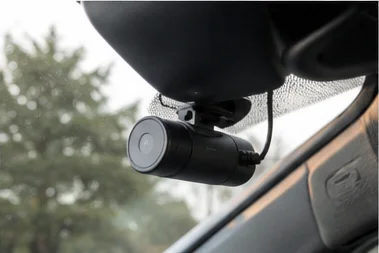
How Traknova’s 4G dashcam supports your insurance position
With a standard SD-card camera, you are waiting for the driver to bring the vehicle in and retrieve the footage. With a 4G connected dashcam, you can pull it remotely the moment a claim comes in.
One thing worth setting up correctly from the start: UK GDPR requires you to inform drivers and passengers that cameras are in use, and to have a clear policy on how long footage is retained. Your provider should be able to help you set this up.
For more on Traknova’s 4G dashcam and how operators have used it in renewal conversations, read our guide on reducing fleet insurance costs with dashcams and tracking or book a demo.
Frequently asked questions
Does fitting a dashcam automatically reduce my fleet insurance premium?
No. The value comes through better claims outcomes and the renewal conversation that follows them, not a discount applied the day you fit the camera.
My insurer says a dashcam won’t reduce my premium. Are they right?
That position typically refers to personal car policies, where premiums are set algorithmically. Fleet commercial policies are negotiated. Presenting dashcam evidence and a clean claims record to a specialist fleet broker is a different exercise from declaring a dashcam on a personal car quote.
Which UK insurers offer dashcam discounts for fleets?
There is no reliable published list, and insurer policies change regularly. Work with a specialist fleet broker and present managed-risk evidence at renewal: dashcam data, claims history, documented security measures. That approach consistently outperforms searching for an advertised discount.
If you want to see what Traknova’s 4G dashcam captures and how it fits into a renewal conversation, book a free demo.