
HGV Cargo Theft Is Up 438%. The Runcorn Depot Raid Shows How It Happens.
Sheriff Subair
In September, two HGV trailers carrying over 800 barrels of Guinness worth £115,000 were stolen from a depot in Runcorn, Cheshire. The trailers were parked. The cargo was gone by morning.
This is not a one-off. Cargo theft in the UK has risen 438% since 2022, and UK logistics operators are now averaging 32 cargo theft incidents per year. Most operators are not ready for it.
What Happened in Runcorn Tells You Everything About How This Works
Two loaded trailers were taken from a depot, and Cheshire Police issued an appeal for witnesses. Whether those trailers were recovered depends on a question every logistics operator should be able to answer about their own fleet: do you have real-time visibility of your trailers moving independently of your cabs?
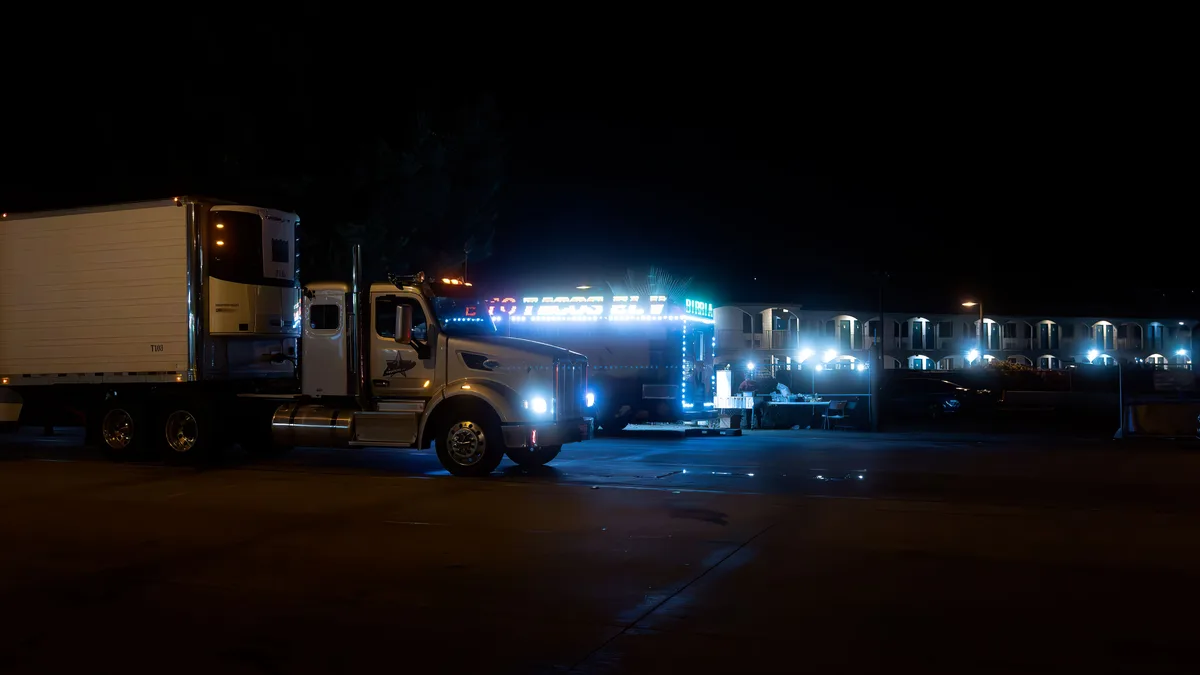
This is the pattern across major cargo theft incidents: organised, fast, and carried out at depots or overnight rest stops where vehicles are stationary and unmonitored. A recent analysis of UK freight crime incidents found that major cargo thefts are now averaging £783,000 per incident. These are not opportunistic crimes. They are planned operations.
And they are accelerating. The Chartered Institute of Logistics and Transport reports that losses linked to cargo theft have risen 438% in three years, with UK fleets averaging 32 incidents per year. The BBC has reported on organised gangs purchasing legitimate haulage firms specifically to use as cover for cargo theft operations — loading bays, scheduling access, and all.
The Tracking Gap That Organised Criminals Exploit
Most logistics operators track their cabs. They know where the lorry is. What they often do not know is whether the trailer is still attached, whether the cargo compartment has been accessed, or whether the vehicle is moving at 3am when nobody authorised a run.
That gap is exactly what cargo thieves exploit. A cab tracker tells you the cab is stationary at the depot. It does not tell you that someone hitched a trailer to a different unit and left an hour ago. It does not tell you the cargo doors were opened at 2am during an overnight stop. It does not trigger an alert when a vehicle activates outside scheduled hours.
This is the difference between knowing where your vehicle is and knowing whether your cargo is secure.
What Depot Security Actually Needs to Cover
Physical depot security is table stakes. Locked gates, CCTV perimeters, and access control all matter. But they address the wrong moment in the theft sequence. By the time a camera records a thief hitching to a trailer, the incident is already happening. The question is whether you can respond in time to intercept it.
Real-time alerts change the response window. A vehicle activating outside scheduled operating hours, a trailer moving without a confirmed dispatch, a cargo door opening at an unexpected time — these are the signals that matter. With geofenced alerts and after-hours movement detection, your response team is notified in minutes, not the following morning.
Dashcam coverage of loading bays and depot exits adds a second layer. Footage of a trailer being taken is not just evidence for a police appeal — it is what insurers need to process a claim without dispute, and it is the footage that leads to identification and prosecution. When an incident happens, whether footage is high-resolution, time-stamped, and immediately retrievable matters enormously for what comes next.
Why Cargo Theft Is an Insurance Problem, Not Just a Security Problem
When cargo is stolen, the claim process is more complicated than a vehicle theft. Cargo value, liability to the client whose goods were in the trailer, excess costs, and premium renewal impacts all compound quickly. A £115,000 cargo theft does not cost the operator £115,000 — it costs the excess, the premium increase, the client compensation, and the management time across a claims process that can run for months.
Operators who can demonstrate active monitoring — geofenced alerts, after-hours movement detection, dashcam coverage of loading areas — are in a materially stronger position both on claims and at renewal. The documentation exists. The response was prompt. The theft happened despite controls being in place, which is a different conversation with an insurer than “we had no visibility of what was happening overnight.”
What Logistics Operators Should Do Now
Start with visibility. If you cannot see your trailers moving independently of your cabs, you have a gap. GPS tracking that covers both the prime mover and the trailer, with after-hours movement alerts, closes the window that cargo thieves depend on.
Add dashcam coverage to depot entry and exit points. This is separate from cab-mounted cameras. A camera covering the loading bay and gate records what your vehicle tracker cannot.
Review your overnight protocols. Where are vehicles parked? Are trailers detached at depot, or left loaded and hitched at rest stops? Loaded, hitched trailers at unsecured rest stops are the easiest target in freight crime. If your drivers are legally required to rest, the cargo needs to be at a secured site, not in a motorway lay-by.
For logistics operators running regular depot-to-depot or multi-drop routes, real-time GPS tracking with geofenced alerts and dashcam coverage of loading points is the combination that closes these gaps without adding management overhead.
800 barrels of Guinness made headlines because it was an unusual cargo. But the method was not unusual at all. If your trailers are loaded overnight without active monitoring, the question is not whether this risk applies to you. It is when.
If you want to understand what cargo security looks like across your fleet, book a 15-minute call with the Traknova team.