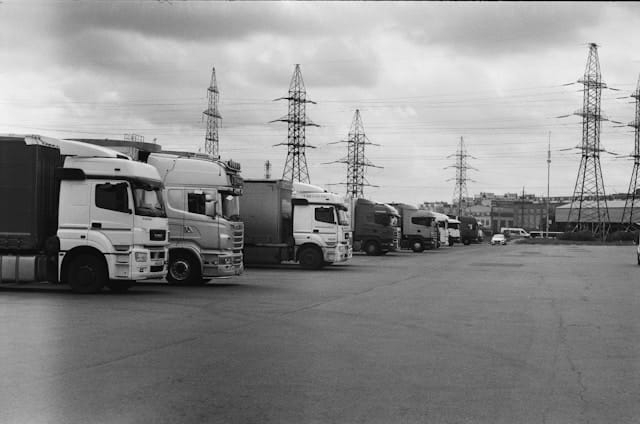
Introduction: If your fleet makes dozens or hundreds of stops every day, fuel is not just an expense — it is a performance metric. This guide walks fleet managers through practical, proven tactics to cut fuel consumption and cost in high-frequency delivery operations. Expect actionable advice on routing, vehicle choice, driver coaching, procurement and the technology that ties it all together. Wherever relevant, you will find links to deeper reads and Traknova solutions for tracking and fleet management.
The fuel-cost challenge in high-frequency delivery fleets
Why fuel is a top expense for delivery fleets
Fuel often sits in the top two operational costs after labour. For high-frequency delivery fleets the issue is amplified: short trips with frequent stops, repeated idling and slow urban traffic all push consumption higher per kilometre than long-haul operations. Price volatility means even small inefficiencies become expensive quickly. When you understand fuel as both a variable cost and a measurable KPI, you can prioritise changes that give predictable savings.
Unique pressures of high-frequency routes
High-frequency routes have distinct characteristics that increase fuel burn. Frequent acceleration and braking, congested city streets, and multiple customer time windows all conspire to raise consumption and reduce average speed. Vans operating in dense zones often spend more time idling at kerbs than they do cruising. Recognising these pressures helps you choose the right tactics rather than applying long-haul solutions that do not fit.
KPI baseline: what to measure first
Start with clear metrics: litres per 100 km, cost per mile, fuel per stop and idling hours per shift. Pair telematics-derived fuel data with fuel card records to spot discrepancies. Set realistic baselines and small, time-bound targets. Tracking improvements in these KPIs often proves the ROI for investments in routing software, driver coaching and alternative powertrains.
Route optimization and smarter scheduling
Dynamic routing vs. static routes
Static routes are cheap to run but brittle. Dynamic routing uses live traffic, reassignments and load balancing to adapt routes during the day. For high-frequency delivery fleets, dynamic approaches usually produce better fuel outcomes because they reduce time spent in congestion and shorten detours. That said, static routing can work well for predictable micro-routes. The right choice depends on delivery density, customer expectations and your ability to support real-time dispatch.
Clustering deliveries and minimizing detours
Group stops geographically and sequence deliveries to reduce backtracking. Small operational changes like avoiding unnecessary left turns, creating delivery clusters and planning drop sequences reduce both mileage and time spent accelerating from standstill. Micro-depots or temporary curbside consolidation points can also cut inner-city mileage substantially, especially in dense urban areas.
Time-window management and load consolidation
Balancing tight time-windows against fuel efficiency is critical. Where you can, negotiate slightly wider delivery windows or offer incentives for off-peak delivery. Consolidation — sending fewer vehicles with fuller loads versus many partially filled vans — typically saves fuel but must be balanced against service levels. Techniques like slot-based scheduling and pre-booked delivery windows can make consolidation practical without undermining customer satisfaction.
Right-sizing vehicles and powertrain choices
Matching vehicle size to route demand
Many fleets over-spec vehicles ‘just in case’. That just-in-case capacity costs you in fuel every day. Select vans, small trucks or cargo bikes based on actual payload and cubic volume requirements for each route. Smaller, lighter vehicles typically accelerate quicker and consume less fuel in stop-start environments. Use load profiling to match vehicle types to route clusters rather than a one-size-fits-all fleet.
Evaluating alternative powertrains
Electric and hybrid options are increasingly attractive for short, urban delivery cycles. EVs offer lower per-kilometre energy costs and strong regenerative braking benefits in stop-heavy routes. Hybrids can reduce fuel use where charging infrastructure is limited. Consider total cost of ownership, range on a real-world duty cycle and charging or refuelling logistics before making a switch. For a deeper procurement perspective, see our post on Fleet Insights for Smarter Vehicle Procurement.
Load optimization and weight reduction
Every extra kilogram matters. Remove unnecessary equipment, fit lightweight shelving where possible and optimise packing to use cubic space better. Aerodynamic tweaks such as low-profile roof boxes or smooth rear door seals can also yield gains in urban stop-start driving. Small changes compound across dozens of daily trips.
Ready to see these improvements in action? Book a demo with Traknova to see live route optimisation, fuel analytics and driver scorecards applied to your fleet. Book demo today and let us model potential savings for your operation.
Driver behavior, policy, and training
Coaching for fuel-efficient driving
Driver behaviour is one of the largest controllable levers for fuel reduction. Train drivers on smooth acceleration, anticipatory braking and sensible gear use. Use short, practical coaching sessions and in-cab prompts rather than long classroom lectures. Regular micro-feedback keeps momentum and helps drivers internalise efficient habits.
Incentives, scorecards, and gamification
Scorecards that combine fuel consumption, idling time and safe driving promote the behaviours you want. Pair scores with small, meaningful incentives — for example, quarterly bonuses for top performers or recognition programmes. Gamification can encourage sustained improvement without creating unhealthy competition.
Operational policies to reduce wasted fuel
Enforce sensible policies such as limited idling, mandatory route adherence where appropriate and collective targets for stop consolidation. Pre-trip checks reduce unexpected stops due to faults. Clear policies backed by telematics data make enforcement fair and transparent.
Fuel monitoring, purchasing strategy, and technology
Telematics and fuel data integration
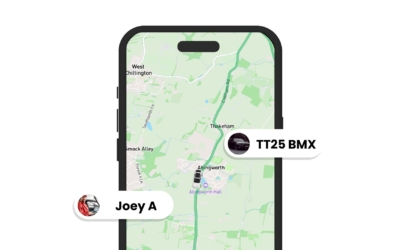
Telematics is the backbone of any modern fuel-reduction programme. Integrating telematics data with fuel card feeds and CAN-bus readings gives you high-fidelity consumption metrics and lets you detect fuel fraud, leakage or misreporting. Traknova’s platform links route, engine and driver data to uncover root causes of inefficiency. For more on real-time operations, check our piece on Real-Time Delivery Updates for Fleet Managers.
Smart fueling and procurement tactics
Negotiate preferred fuel networks, consider bulk purchasing where appropriate and use card-level controls to manage who refuels and how much. Regional purchasing agreements and fuel hedging can reduce volatility exposure. Simple controls such as limiting off-contract stations and setting litre caps per fill help keep spend predictable.
Continuous improvement using analytics
Build dashboards that show trends, anomalies and the impact of interventions. Run A/B tests on routing approaches, vehicle assignments and incentive schemes. Over time, continuous measurement and iteration is what delivers sustained savings. Use analytics to prove the ROI of investments and scale what works across routes and depots.
Conclusion
Cutting fuel costs in high-frequency delivery fleets is a multi-pronged effort. Focus on the right metrics, optimise routes, match vehicles to duty cycles, coach drivers and use integrated telematics and procurement tactics to keep momentum. Small, consistent improvements add up fast. If you want hands-on help modelling savings, book a demo with Traknova — we will walk you through route optimisation, driver coaching tools and fuel analytics tailored to your fleet. Book demo or contact us for a consultation.
Frequently Asked Questions
How quickly can I expect to see fuel savings?
Simple changes like route tweaks and driver coaching often show measurable gains within 4 to 12 weeks. Larger investments such as powertrain changes take longer to deliver full ROI but reduce operating costs materially over time.
Is telematics necessary to manage fuel effectively?
While you can make progress without it, telematics provides the data fidelity you need for targeted improvements and fraud detection. Integrating telematics with fuel card data is best practice.
Are electric vans viable for high-frequency urban deliveries?
Yes. For short, stop-start urban cycles EVs often perform very well thanks to regenerative braking and lower running costs. Charging strategy and depot infrastructure are critical factors to evaluate.
How do I choose between dynamic and static routing?
Use dynamic routing where deliveries and traffic patterns are unpredictable and you have real-time dispatch capability. Static routes can work where operations are highly predictable and stability is vital.
What is a realistic fuel-saving target?
Many fleets achieve 5 to 15 percent fuel reduction with combined measures. The exact figure depends on starting efficiency, route profiles and how aggressively you pursue change.
Final call-to-action: If you want a tailored assessment for your fleet, schedule a demo or consultation with Traknova. We can model savings on your actual routes and show how monitoring, driver coaching and route optimisation combine to cut fuel cost. Book demo now.
We want your feedback: Did you find these tips useful? Please tell us one fuel-saving tactic you will try in the next 30 days. Share this article with colleagues on social media if it helped, and leave a comment below so we can cover the topics you care about next. What’s the single biggest fuel headache in your operation today?